

Residential Electrical Safety Inspections in the Twin Cities
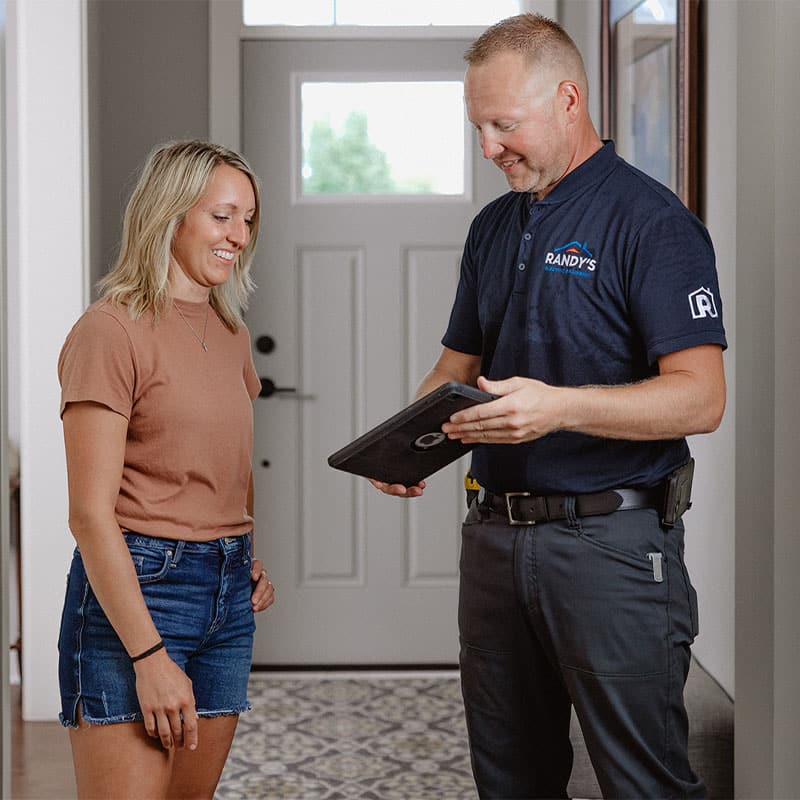
An electrical inspection is a licensed electrician going through your home’s electrical system in an organized way and telling you, in writing and in plain language, what is safe, what is worn, what is not to code, and what needs doing first.
It is not a sales visit with a clipboard. A good inspection leaves you calmer and better informed, with a list you can work through at your own pace rather than a reason to panic.
Our electricians are licensed and background-checked. We have served over 40,000 homeowners with electrical work across the Twin Cities and hold more than 6,000 Google reviews averaging 4.8 stars. Same-day and next-day appointments are available Monday through Saturday.
Book Now

Why People Book An Electrical Inspection
You are buying a house. A general home inspector notes obvious electrical issues, but they are a generalist covering a whole building in a few hours. If the panel is old, the wiring is original, or the listing photos show a fuse box, it is worth having a licensed electrician look at the electrical system specifically before you close.
You are selling a house in Minneapolis. Then you are dealing with Truth in Sale of Housing, which we cover below. Pre-sale disclosure requirements differ from one city to the next, so it is worth checking what applies at your address before you list.
You just moved into an older home, and inherited decades of other people’s decisions without knowing which were done well.
Your insurer asked for one. Some carriers want documentation of the electrical system on older homes, or on homes with knob-and-tube or aluminum branch wiring, before they will write or renew a policy.
Something gave you a scare. A smell, a spark, a warm cover plate, a shock from an appliance. If that is happening now, do not book an inspection. Call and we will treat it as a repair.
You are planning a big project. An addition, a finished basement, a kitchen remodel, a hot tub, a heat pump, or an EV charger. All of these ask more of the service than the house was built for, and that is cheaper to learn at the planning stage than halfway through.
Nobody has looked in decades. Reason enough on its own, particularly on a house wired before the 1970s.
What The Electrical Inspection Actually Examines
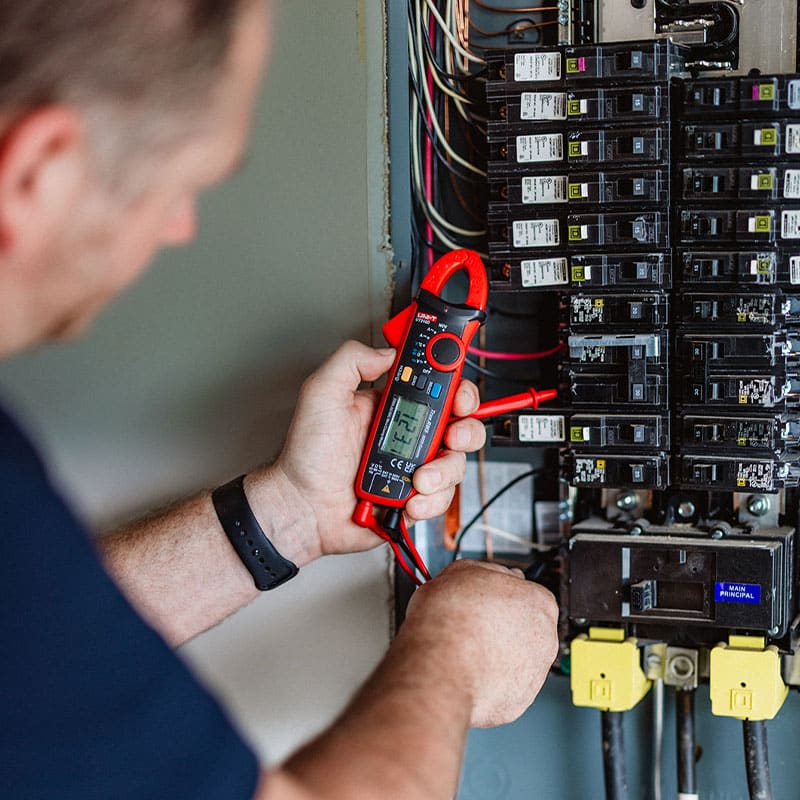
A full residential electrical safety inspection covers the system from the service entrance to the devices on the wall.
Truth in Sale of Housing: What Minneapolis Sellers Need to Know
If you are selling a home in Minneapolis, the city requires a Truth in Sale of Housing evaluation, usually called TISH, before the property is sold. A TISH report is valid for two years or one sale, whichever comes first, so a report from a previous transaction may still be live.
TISH is a disclosure, not a pass-or-fail test. The evaluator records the condition of the house so a buyer knows what they are getting. On the electrical side, the disclosure records the service amps and volts, and three items matter most:
- Item 12, electrical service installation. The condition and adequacy of the service itself.
- Item 13, a separate 20-amp kitchen circuit, indexed at the panel.
- Item 14, a separate 20-amp laundry circuit, also indexed at the panel.
“Indexed at the panel” is the part sellers most often miss. It is not enough for the circuit to exist. It has to be identified in the panel directory so an evaluator can find it. A correctly labeled panel resolves a surprising number of TISH comments on its own.
Two findings come up repeatedly on Minneapolis TISH evaluations: an ungrounded panel, and a GFCI that will not trip. Both are electrical work rather than paperwork, and both are far more comfortable to deal with before a report is written than after.
Neither is surprising in a city where the assessor’s 2025 parcel data puts 68.4 percent of single-family parcels, 51,513 of 75,257, at a build date before 1940. A house built in 1912 was not wired with an equipment ground, and the GFCI in the bathroom was almost certainly added decades later by somebody who is no longer available to ask. The panel directory has the same history written on it: forty years of added circuits, three different handwritings, and a laundry circuit that exists but is labeled “basement.”
It is worth being clear about what TISH does and does not force you to fix. Most items are disclosure only. The City’s Common Required Repairs list, the items that must actually be corrected, contains exactly one electrical item: exposed wires or open junction boxes with uncapped wires. Everything else on the electrical side is disclosed for the buyer’s information, and what you do about it is a decision, not an order.
That distinction matters, because sellers are sometimes talked into a full panel replacement they were never required to make. We will tell you which findings are required repairs, which are worth doing because a buyer will ask, and which you can reasonably leave alone. Book an inspection before your evaluator arrives and you will know what is coming.
Why findings vary so much from one address to the next
Two Minneapolis houses can be five miles apart and fifty years apart electrically. In the Holland neighborhood in the Northeast, 75.3 percent of buildings date from before 1940. In Fulton in southwest, it is 69.5 percent and in Whittier, 54.4 percent. In Armatage, also in the southwest, it is 4.0 percent. An inspection in Holland is largely an exercise in reading what several generations of electricians did to an original system. An inspection in Armatage is usually a question of whether a service sized for a mid-century household still suits one running central air, a finished basement and a car charger. Both are worth doing. They just produce different reports.
Citywide, the balance sits much closer to the Holland end: 68.4 percent of single-family parcels predate 1940 and 78.9 percent predate 1950. Add 10,587 duplex parcels and 963 triplex parcels, where an original system was later split between two or three households, and you have a lot of houses carrying loads and divisions nobody designed for them.
Booking an inspection
Call (763) 560-5600 or book online. Tell us the age of the house, whether you are buying, selling or staying, and anything you have already noticed. Appointments are available Monday through Saturday, often same day.
Randy’s has been family-owned since Randy Smith founded the company in February 2002. We also do plumbing, so if the electrical system is being looked at before a sale, it is a sensible time to have the water heater, supply lines and drains checked too.
Electrical Inspection FAQs
A home electrical inspection is a full safety checkup of your system. Exact steps can vary slightly by home, but a typical electrical safety inspection from Randy’s includes a careful look at:
After the inspection, your electrician explains what they found and helps you understand which items are most important to address.For a typical single-family home, plan on a couple of hours. Larger homes, houses with multiple panels or outbuildings, and homes where a lot of the wiring is original take longer. We will give you a realistic window wh
It helps a great deal. You know which outlet is temperamental and which room the lights flicker in, and being there means we can walk you through the findings in person rather than leaving you with a document to interpret alone. Access to the panel, basement, attic and garage is essential.
You do not need to do very much, but a little preparation can make the visit smoother.
Before your electrical inspection, try to:
If something is hard to reach or you’re not sure where it is, don’t worry. Your Randy’s electrician can help locate it during the inspection.Yes. We provide a written report identifying wiring types, service size, panel details and condition, which is generally what carriers ask for on older homes and on homes with knob-and-tube or aluminum branch wiring. Tell us it is for an insurer when you book so the report is written accordingly.
Often, yes. If we find minor issues during an electrical inspection, such as a loose connection at a receptacle, a missing cover plate, or a simple GFCI replacement, we can usually handle those repairs during the same visit if you approve the work.
For larger repairs, such as panel changes, rewiring, or adding new circuits, we will explain what is needed, provide pricing, and schedule a follow-up appointment. Our goal is to address small safety items right away when possible and give you a clear plan for anything that requires more time.
In Twin Cities homes, we often see a few recurring issues during home electrical inspections, especially in older houses. Common problems include:
Before a pre-purchase electrical inspection, asking a few simple questions can help you stay informed. Helpful questions include:
You can also let them know if you are especially concerned about certain areas, such as older wiring, finished basements, or future remodel plans. This helps your electrician tailor the inspection to your needs and give clear, practical advice before you decide on the home.No. A general home inspector covers the whole building and notes obvious electrical concerns. An electrical safety inspection is a licensed electrician examining only the electrical system, in far more depth, and able to explain and correct what they find.
No. Truth in Sale of Housing is a City of Minneapolis disclosure evaluation carried out by a city-certified evaluator before a home is sold, and it covers the whole house. Our inspection is an electrician’s assessment of the electrical system. Sellers often book ours first so there are no surprises in the TISH report.
On the electrical side, the City’s Common Required Repairs list contains exactly one item: exposed wires or open junction boxes with uncapped wires. Almost everything else the report records is disclosure to the buyer rather than a required repair, including the service amps and volts, Item 12 electrical service installation, Item 13 a separate 20-amp kitchen circuit and Item 14 a separate 20-amp laundry circuit. Both kitchen and laundry circuits need to be indexed at the panel to be recorded properly.
Schedule A Home Electrical Inspection With Randy’s
Small wiring issues, aging panels, and missing protection are easier to fix before they turn into outages or safety concerns. A licensed Randy’s electrician can walk through your system, explain what they see, and give you a clear plan for what’s next. Schedule an electrical inspection today for your Minneapolis or Saint Paul home.
